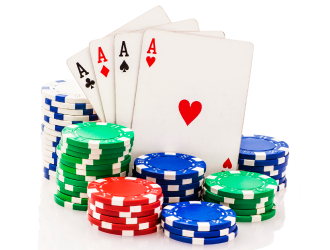
blackjack ballroom casino is a game of calculated risks and rewards. Knowing when to apply ballroom casino blackjack is a trademark of experienced players.
ballroom casino blackjack: What Makes It So Popular?
blackjack ballroom casino remains single of the most captivating table offering games in British casinos, blending skill and chance in equal measure. As we move through 2026, players are progressively drawn to the strategic depth of blackjack ballroom review, which offers a refreshing alternative to purely luck-based games. Mastering the basics of card counting and basic strategy can significantly tilt the odds in your favour, making every paw a calculated decision. Whether you’re a seasoned player or a curious newcomer, the allurement of whipping the dealer with a well-timed hit or stand is timeless. The game’s origins hint back to 18th-century Anatole france, where it was known as ‘vingt-et-un’ before evolving into the modern version found in London’s most prestigious casinos. Today, blackjack ballroom casino tables feature sophisticated shuffling machines and multi-deck shoes, yet the core principles remain unchanged. Players must decide when to split pairs like eights or aces, when to double down on a soft 17, and when to surrender a losing hand. The house edge hovers around 0.5% with perfect basic strategy, but deviations can quickly erode that advantage. Card counting, while legal in the UK, requires immense concentration and a keen eye for subtle patterns. Systems like Hi-Lo assign values to cards: reduced cards (+1), high cards (-1), and neutral cards (0). A running count adjusted for decks remaining gives the true count, guiding bet sizing and playing decisions. Professional counters often work in teams, using signals to put across the count without detection. However, modern casinos employ countermeasures like continuous shuffling machines and facial nerve acknowledgment software, making solo counting increasingly difficult. For recreational players, focusing on basic strategy charts is more practical. These charts dictate optimal play for every possible hand against the dealer’s upcard. For instance, always hit a hard 12 against a dealer’s 2 or 3, but stand against a 4, 5, or 6. Splitting tens is almost never advisable, while always split aces and eights. Doubling down feather on 11 is standard, but only on soft 17 or 18 against certain dealer upcards. The psychological aspect of blackjack ballroom casino is equally important. Managing your balance, avoiding tilt after spoilt beats, and knowing when to walk outside are crucial skills. Many players fall into the trap of chasing losses or getting overconfident after a win streak. Setting loss limits and win goals beforehand can forestall emotional decisions. The social dynamics at the table also influence play; a talkative dealer or animated buster players can distract or pressure sensation you into suboptimal moves. Experienced players maintain a stoic behavior, focusing solely on the cards. In 2026, online blackjack ballroom casino has surged in popularity, offering live dealer games streamed from studios in real-time. These digital tables mimicker the land-based experience with multiple camera angles and interactive chat features. However, the absence of physical tells and the speed of online play require different strategies. Online players must contend with RNG-based shuffles and often face stricter betting limits. Some platforms even offer ‘Infinite Blackjack’ with face bets like Perfect Pairs or 21+3, which carry higher house edges. Despite these variations, the fundamental appeal of blackjack ballroom casino endures: the perfect fusion of mathematical precision and human intuition. Each hand presents a puzzler, a test of your ability to weigh probabilities against intuition. The vibrate of drawing a 21 from a 16, or watching the dealer bust after a risky stand, keeps players returning. For those willing to invest time in learning strategy, blackjack ballroom casino offers one of the best chances to beat the casino.
Top Blackjack Bonus Offers and Terms
150% up to £200
up to £1500 bonus
125% reload bonus
25x turnover
35x wagering within 30 days
RTP Comparison of Popular Blackjack Variants
RTP Comparison of Popular Blackjack Variants
Name
Biggest win
RTP
Year
Provider
Lucky Leprechaun’s Loot
£134,800
92.8%
2021
NetEnt
Aztec Gold Rush
£2,000,000
95.0%
2026
Pragmatic Play
Mystic Fortunes
£187,250
96.2%
2022
NetEnt
Fruit Fiesta Deluxe
£45,600
93.2%
2018
NetEnt
Visual Guide to Online Blackjack Gameplay
Why Choose blackjack ballroom review?
What is the house inch in standard blackjack?
The put up inch in standard blackjack typically ranges from 0.5% to 1%, depending on the specific rule seth you wager close the player adheres to basic strategy.
Do I need to learn basic strategy to play blackjack online?
Yes, basic strategy minimises the house edge and is essential for making mathematically optimal decisions; it is simple to discover and widely available as a reference chart.
What is the difference between live dealer blackjack and online RNG blackjack?
Live dealer blackjack streams a cash human dealer in real time, offering a land-based casino atmosphere, while online RNG blackjack uses a random figure generator for faster, automated gameplay.
Variants like Classic Blackjack and European Blackjack often offer RTPs around 99.5% or higher when played with basic strategy, but always verify the specific rules for the best return.
How does the return to player (RTP) percentage affect my winnings?
RTP indicates the theoretical percentage of all wagered money a game will pay back over time; a higher RTP means a lower house edge and better long-term value for the gambler.
Casino experts prioritize blackjack ballroom casino for its transparency.
Setting Limits When Playing Blackjack Online
Gambling is strictly for adults aged 18 and over. All operators featured on this page are licensed by the UK Gambling Commission (UKGC) and adhere to strict responsible gambling standards. If you feel your gambling is becoming a problem, you can use GAMSTOP to self-exclude from all UK-licensed sites. For free, confidential support, contact GamCare or BeGambleAware on the National Gambling Helpline at 0808 8020 133. Always set deposit and time limits before you play, and think: gambling should be for entertainment, never a way to make money or recover losses.
About the author:Oliver Standish. Oliver has been analysing UK sportsbooks and casino bonuses for 12 years, offering expert insights into wagering requirements and value propositions for savvy punters.
blackjack ballroom casino: everything that matters in 2026
blackjack ballroom casino remains a staple in casinos worldwide due to its strategic elements. Mastering blackjack ballroom free play is often the difference between casual play and consistent wins.
Understanding blackjack ballroom free play: A Beginner’s Guide
blackjack ballroom casino remains one of the most captivating table games in British casinos, blending skill and chance in equal measure. As we move through 2026, players are increasingly drawn to the strategic depth of blackjack ballroom casino code, which offers a refreshing alternative to purely luck-based games. Mastering the basics of card counting and basic strategy can significantly inclination the odds in your favour, making every hand a calculated decision. Whether you’re a seasoned player or a curious newcomer, the allurement of trouncing the dealer with a well-timed hit or stand is timeless. The game’s origins trace back to 18th-century France, where it was known as ‘vingt-et-un’ before evolving into the bodoni edition found in London’s most prestigious casinos. Today, blackjack ballroom casino tables feature sophisticated shuffling machines and multi-deck shoes, yet the magnetic core principles remain unchanged. Players must settle when to split up pairs like eights or aces, when to double down on a diffused 17, and when to surrender a losing deal. The put up edge hovers around 0.5% with perfect staple strategy, but deviations can quickly erode that vantage. Card counting, while legal in the UK, requires immense concentration and a keen optic for subtle patterns. Systems like Hi-Lo assign values to cards: lowest cards (+1), high cards (-1), and neutral cards (0). A running numeration adjusted for decks remaining gives the true count, guiding bet sizing and playing decisions. Professional counters often work in teams, using signals to communicate the count without detective work. Nonetheless, modern casinos employ countermeasures similar continuous shuffling machines and facial recognition software, making solo counting increasingly difficult. For recreational players, focusing on basic strategy charts is more practical. These charts dictate optimal play for every possible hand against the dealer’s upcard. For instance, always smasher a hard 12 against a dealer’s 2 or 3, but stand against a 4, 5, or 6. Splitting tens is almost never advisable, while e’er split aces and eights. Doubling downwardly on 11 is standard, but only on soft 17 or 18 against certain dealer upcards. The psychological aspect of blackjack ballroom casino is equally important. Managing your budget, avoiding tilt after bad beats, and knowing when to walk away are crucial skills. Many players fall into the trap of chasing losses or getting overconfident after a win streak. Setting loss limits and win goals beforehand can prevent emotional decisions. The social dynamics at the felt also work play; a talkative dealer or animated fellow players can distract or pressure you into suboptimal moves. Experienced players maintain a stoic demeanor, focusing solely on the cards. In 2026, online blackjack ballroom casino has surged in popularity, offering interactive dealer games streamed from studios in real-time. These digital tables mimic the land-based experience with multiple camera angles and interactive chat features. However, the absence of physical tells and the speed of internet play require different strategies. Online players must contend with RNG-based shuffles and often face stricter betting limits. Some platforms regular offer ‘Infinite Blackjack’ with side bets like Perfect Pairs or 21+3, which take higher house edges. Despite these variations, the fundamental appeal of blackjack ballroom casino endures: the perfect fusion of mathematical precision and human hunch. Each manus presents a puzzle, a mental testing of your ability to press probabilities against intuition. The thrill of drawing a 21 from a 16, or watching the dealer bust after a risky stand, keeps players returning.
Top Blackjack Bonus Offers and Terms
£300 cash bonus
50% reload bonus
100 free spins on signup
25x turnover in 30 days
45x rollover
RTP Comparison of Popular Blackjack Variants
RTP Comparison of Popular Blackjack Variants
Name
Biggest win
RTP
Year
Provider
Thunderstruck Legacy
£1,580,000
96.8%
2025
Microgaming
Mega Spin Saga
£892,500
94.5%
2019
Microgaming
Aztec Gold Rush
£2,000,000
95.0%
2026
Pragmatic Play
Dragon’s Hoard
£534,000
95.8%
2020
Play’n GO
What Are blackjack ballroom casino code?
What is the put up edge in blackjack and how does it put to work?
The house border in blackjack typically ranges from 0.5% to 2%, depending on the specific rules and your skill level. It represents the casino’s average profit from each bet over the long term, which is reduced when you use basic strategy.
How do I use introductory strategy in blackjack?
Basic strategy is a mathematically optimal set of decisions that tells you when to smash, stand, forked push down, or split based on your hand and the dealer’s upcard. Following it can lower the house sharpness to less than 1%.
What are the most common blackjack variants?
Popular variants include Classic Blackjack, European Blackjack (where the dealer only gets one hole card until after you play), Atlantic City Blackjack (using eight decks and tardily surrender), and Double Exposure (both dealer cards are face up).
What is RTP in blackjack and how does it relate to the house edge?
RTP stands for Return to Player, the percentage of all wagered money a game pays back over time. In blackjack, RTP is roughly 99.5% with perfect basic strategy, while the put up edge is the inverse (100% minus RTP).
What is the difference between live dealer blackjack and online RNG blackjack?
Genuine dealer blackjack uses a real human dealer streamed from a studio, offering an immersive experience with real cards, while virtual RNG blackjack uses a random number generator for virtual cards, which is faster but less social. Both follow the same rules, but live games may have slightly different house edges due to table game rules.
Choosing blackjack ballroom casino requires comparing bonus offers and game variety.
Setting Limits When Playing Blackjack Online
Gambling is strictly for adults aged 18 and over. All UK-licensed casinos are regulated by the Gambling Commission (UKGC) and must offer access to GAMSTOP, the national self-exclusion scheme. If you’re concerned near your gambling, GamCare and BeGambleAware provide free support via the National Gambling Helpline on 0808 8020 133. Always set deposit and time limits, and recall that gambling should be for entertainment only – never trail losses.
About the author:Oliver Standish. Oliver has been analysing UK sportsbooks and casino bonuses for 12 years, offering expert insights into wagering requirements and value propositions for savvy punters.
blackjack ballroom casino 2026 — blackjack ballroom free play
By
/ September 28, 2026
blackjack ballroom casino in 2026: the essentials
blackjack ballroom casino has captivated gamblers for centuries with its fast-paced action. Incorporating blackjack ballroom online into your strategy can metamorphose your results.
Why blackjack ballroom online Matters for New Players
blackjack ballroom casino remains one of the most captivating table games in casinos worldwide, blending science, strategy, and chance in a way few other games can match. In 2026, its popularity shows no signs of waning, as players proceed to refine their come near with blackjack ballroom free play to gain an edge over the house. The game’s allure lies in its rich history, dating support centuries to European gambling houses, where it evolved from simple betting games into the complex, strategic contest seen today. New blackjack ballroom casino tables are equipped with advanced shuffling machines and multiple decks to thwart card counters, yet dedicated players still find ways to track cards using subtle techniques. The tension at the live dealer is palpable as the dealer fans cards crossways the green felt, each player calculating odds and adjusting bets based on the running tally. Position bets like insurance and yet money supply layers of risk, while introductory strategy charts remain essential tools for minimizing the house sharpness to under 0.5% under ideal conditions. Casinos make responded by introducing continuous shuffle machines in some venues, eliminating the advantage of card counting exclusively. Nevertheless, blackjack ballroom casino tournaments attract thousands of participants each year, with prize pools reaching millions, showcasing the game’s enduring appeal. The social aspect also draws crowds; players celebrate wins together and commiserate over busts, creating a camaraderie unique to the felt. In online variants, interactive dealer streams have revolutionized use, allowing players to experience the tickle from nursing home with real-time interaction. As technology advances, virtual reality blackjack ballroom casino rooms are emerging, offering immersive environments that mimic the casino floor. Despite these innovations, the core dynamics remain unchanged: a battle of wits between user and dealer, where every decision carries weight. The blackjack ballroom vip technique, whether a simple counting system or a more complex shuffle tracking method, requires intense compactness and practice. Professional players spend hours drilling drills to perfect their execution, often working in teams to maximize efficiency. Casino security teams are equally vigilant, using facial recognition and behavior analysis to identify vantage players. This cat-and-mouse game has fueled countless books and movies, cementing blackjack ballroom casino as a cultural icon. In 2026, the game selection continues to evolve, with new rule variations like Blackjack Switch and Spanish 21 gaining traction. Yet the classic version remains the standard, with its familiar 3:2 payout for innate blackjacks and the dealer standing on soft 17. The psychological pressure level of hitting or standing on a 16 against a dealer’s 10 never diminishes, even for seasoned players. Bankroll management is another vital accomplishment, as still the best strategies cannot guarantee short-term wins. Players must set loss limits and paseo away when emotions tally high, a discipline that separates amateurs from pros. The game’s mathematical innocence appeals to analytical minds, while its unpredictability keeps perfunctory players coming plump for. Every hand is a wise puzzle, with the composition of the remaining deck dictating optimal play. In land-based casinos, the ritual of edged the bedeck and receiving the number one card sets the stage for possible triumph or defeat. The brattle of chips and the dealer’s rhythmic movements create an atmosphere charged with expectation. For many, blackjack ballroom casino is not just a game but a lifelong pursuit, with some players dedicating decades to mastering its nuances. The advent of online forums and strategy calculators has democratized knowledge, allowing newcomers to learn from experts. However, the transition from theory to pattern remains steep, as real-world conditions differ from simulated environments. Distractions, fatigue, and the pressure level of real stakes can derail even well-rehearsed techniques. This is why blackjack ballroom online practitioners often undergo rigorous mental training, including meditation and visualization exercises. The ultimate goal is to achieve a country of flow where decisions become instinctive, reactions are lightning-fast, and emotional hold in is absolute. In tournament play, this edge is magnified, as players contend not only against the house but also against each other. Strong-growing betting strategies can hurdle a player up the leaderboard, but also lead to rapid elimination. The finest event players balance risk and reward, knowing when to deviate from canonic strategy to capitalize on favorable situations. As 2026 unfolds, the landscape of blackjack ballroom casino continues to shift, with new regulations and technologies shaping the experience. Responsible gambling initiatives have led to thomas more transparent odds and mandatory breaks in some jurisdictions. Yet the core appeal remains: the chance to outsmart the system and walk away a winner. Whether in the neon glow of Las Vegas or the quiet intimacy of an online table, blackjack ballroom casino endures as a testament to human ingeniousness and the timeless allure of risk.
The Pros and Cons of blackjack ballroom vip
Basic Rules and Objective
Blackjack, often known as 21, is a staple of casino gaming both online and in land-based venues across the UK. The primary objective is straightforward: achieve a hand value higher than the dealer’s without exceeding 21. Cards are valued as follows: numbered cards retain their face value, face cards (Jack, Queen, King) are worth 10, and an Ace can be counted as either 1 or 11, depending on which benefits the hand more. Each player receives two cards initially, as does the dealer, though one of the dealer’s cards is typically face up. Players then hold several options: bang (take another card), stand (keep their current hand), look-alike down (double the original gamble and receive exactly one more card), split (if the first two cards are of equalise value, separate them into two hands and play each independently), or cede (forfeit half the bet and end the hand). The dealer must follow a fixed set of rules: they must hit on a paw total of 16 or less and stand on 17 or more, including a soft 17 (a hand containing an Ace counted as 11 that totals 17). Understanding these basics is crucial before delving deeper into strategy or variant nuances.
Popular Blackjack Variants in the UK
While the classic version of blackjack is widely available, UK players will encounter several sought-after variants that acquaint twists to the standard rules. European Blackjack is a common variation where the dealer receives only unity card face up initially and does not incur a second card until after players have acted. Additionally, players cannot surrender, and the dealer typically stands on flaccid 17. Another favourite is Blackjack Switch, where players are dealt two hands and may swap the top two cards between them, offering more strategic flexibility but often at the cost of a higher house inch due to the dealer’s force on 22. Pontoon, a British variant, uses different terminology: the aim is to achieve a ‘pontoon’ (an First-rate and a 10-value card) which pays better than a regular blackjack, and the dealer’s cards are both dealt face down. Spanish 21 removes all 10s from the deck, increasing the house sharpness, but compensates with bonus payouts for certain hands similar 6-7-8 or 7-7-7. For those seeking a faster pace, Speed Blackjack and Infinite Blackjack are online adaptations that permit multiple players to fall in a single dealer manus, with rounds completing in short order. From each one variant adjusts the house border and strategy slightly, so players should familiarise themselves with the specific rules before playing.
RTP, House Edge, and Basic Strategy
Return to Player (RTP) and house edge are fundamental concepts that directly impact a player’s long-term outcomes. In blackjack, the RTP can vary significantly based on the ruleset. A standard game with favourable rules—such as a single deck, dealer standing on soft 17, and blackjack paying 3:2—can provide an RTP of around 99.5% when using perfect basic strategy, translating to a domiciliate border of but 0.5%. But, rule variations like a 6:5 blackjack payout, the dealer hitting on diffused 17, or allowing surrender only after the dealer checks for blackjack can push the put up inch higher, sometimes above 1%. Basic strategy is a mathematically derived set of decisions that minimises the put up edge. It dictates when to collide with, stand, forked, stock split, or surrender based on the player’s hand total and the dealer’s upcard. For instance, a customer should always split Aces and 8s, never split up 10s or 5s, and double down on 11 against a dealer’s 2-10. Many UK online casinos offer free blackjack games or strategy charts to assist players learn. Employing introductory strategy consistently is the most effective way to reduce the house edge and maximise potential returns over time. It is important to annotation that while basic strategy optimises play, it does not guarantee wins in the short term due to the inherent variance of the game.
Live Blackjack and Online Gameplay
Live blackjack has revolutionised online casino gaming by bringing the unquestionable casino experience directly to players’ screens via high-definition video streams. Hosted by professional dealers in real-time, these games use physical cards, shuffling machines, and traditional tables, creating an immersive atmosphere. Players can interact with the dealer and other participants through a chat function, adding a social element often missing from digital games. Variations like Live Blackjack Party or Lightning Blackjack offer side bets and multipliers, while dedicated tables for premium rollers provide higher betting limits. When choosing a live blackjack game, UK players should look for platforms licensed by the UK Gambling Commission (UKGC) to ensure fairness and security department.
blackjack ballroom free play: A Comprehensive Overview
Understanding the Basics of Blackjack, also known as twenty-one, is one of the most popular casino card games worldwide, and its appeal in the UK remains strong in 2026. The primary objective is straightforward: beat the dealer’s hand without exceeding a total of 21. Each player is dealt two cards, as is the dealer, with one of the dealer’s cards face up. Number cards are worth their face value, face cards (king, queen, jack) are worth 10, and an ace can be counted as either 1 or 11. Players can choose to ‘hit’ (take another card) or ‘stand’ (keep their current hand) to improve their total. The game’s simplicity belies a depth of strategy that can significantly influence the house edge, making it a favourite among both novice and seasoned players. Understanding the basic rules is the first step towards mastering this classic game.
Common Blackjack Variants and Their RTP
While the core rules of blackjack remain consistent, numerous variants have emerged to offer players diverse experiences. In UK casinos, mutual variants include Classic Blackjack, European Blackjack, and Pontoon, to each one with subtle rule differences that bear upon the payoff to player (RTP) and house border. Classic Blackjack typically offers an RTP of around 99.5% when played with basic strategy, making it one of the most player-friendly casino games. European Blackjack, where the dealer only receives one card initially, slightly increases the put up inch to about 0.5%. Pontoon, a British variant, uses different language and rules, such as ‘twist’ for hit and ‘stick’ for stand, and often has a higher house edge due to the dealer winning ties. Other popular variants include Blackjack Switch and Spanish 21, which introduce twists like swapping cards or removing tens, altering the RTP. Players should e’er confirm the specific rules of a variant to understand its RTP and house edge before playing.
Basic Strategy and Reducing the House Edge
To maximise your chances of winning at blackjack, employing basic strategy is essential. Basic strategy is a mathematically derived localise of decisions that tells you the optimal make a motion (hit, stand, double down, stock split, or surrender) for every possible hand combination against the dealer’s upcard. By following basic strategy, you can reduce the house border to as low as 0.5% in standard blackjack games. For example, when holding a hand of 12 to 16 and the dealer shows a 2 to 6, you should stand, as the dealer is likely to bust. Conversely, if the dealer shows a 7 or higher, you should hit until you reach at least 17. Doubling down feather is advantageous when you have a total of 10 or 11 and the dealer has a weak upcard. Splitting pairs is recommended for aces and eights but not for tens or fives. Many UK casinos provide basic strategy charts, and practising online can help ingrain these decisions. Remember that basic strategy does not guarantee wins but optimises your play over the long term.
Live Blackjack and Online Gameplay in 2026
The evolution of online casinos has brought live blackjack to the forefront, offering an immersive experience that replicates the atmosphere of a brick-and-mortar casino. In real-time blackjack, a real dealer manages the title via video stream, and players can interact through confabulation. This format combines the convenience of online play with the social element of traditional casinos. UK players in 2026 can access live blackjack on various platforms, with multiple tables available to accommodate different stakes and rule variations. Additionally, online blackjack includes digital versions with random keep down generators (RNGs) that offer fast-paced gameplay and often lower minimum bets. When playing online, it is crucial to choose platforms licensed by the UK Gambling Commission (UKGC) to ensure fair play and player protection. Many online casinos also offer free demo versions, allowing players to practise canonic strategy without risking real money.
Many beginners struggle with finding the right blackjack ballroom casino.
What is the put up edge in blackjack you said it does it vary by rules?
The put up border in blackjack typically ranges from 0.5% to 2% depending on the specific rules, such as the number of decks, whether the dealer hits on soft 17, and the payout for blackjack. Standard single-deck games with favourable rules can have an sharpness as low as 0.13% with perfect basic strategy.
How does basic strategy work on and is it always efficacious?
Basic strategy is a mathematically optimised set of decisions for every possible hand combination, designed to minimise the house edge. While it doesn’t guarantee wins, it reduces the inch to its lowest possible level and is essential for long-term play.
What are the cay differences between online and live dealer blackjack?
Online blackjack uses a random number generator (RNG) for virtual cards, offering faster play and lower minimum bets, while live dealer blackjack streams a real human dealer from a studio, providing an authentic casino atmosphere with real cards and interaction.
Is card counting possible in online or live blackjack?
Card counting is ineffective in online RNG blackjack because the deck is reshuffled after each manus. In interactive dealer games, continuous shuffle machines (CSMs) are commonly used, making counting impractical, though manual shuffles on some tables may allow it.
What is the leading blackjack variant for superior RTP?
Classic blackjack variants with the fewest decks (single or image) and favourable rules, such as "European Blackjack" or "Blackjack Switch," often offer RTPs above 99.5%. Ever check the specific rules, as payouts and side bets can significantly affect the issue.
How to Play Blackjack Responsibly in the UK
Gambling is strictly for adults cured 18 and over in the UK. All licensed operators are regulated by the Gambling Commission (UKGC). If you feel you need a break, you can self-exclude via GAMSTOP, the national online self-exclusion scheme. For support, tangency GamCare or BeGambleAware on the National Gambling Helpline at 0808 8020 133. Always set deposit and time limits beforehand, and treat gambling as entertainment — never chase losses. If gambling stops beingness fun, take a step plump for.
About the author:Henry Blackwood. A veteran of 20 years in casino management, Henry now reviews VIP programmes and high-roller experiences, giving insider perspectives on casino loyalty schemes.
blackjack ballroom casino 2026 — everything to know
By
/ September 28, 2026
blackjack ballroom casino — explained simply 2026
blackjack ballroom casino offers some of the best odds in the casino when played correctly. Understanding the nuances of blackjack ballroom helps you leverage those odds.
blackjack ballroom casino remains one of the most captivating table games in casinos worldwide, blending skill, strategy, and chance in a way few other games can match. In 2026, its popularity shows no signs of waning, as players continue to refine their approach with ballroom casino blackjack to gain an edge over the house. The game’s allurement lies in its rich history, dating back centuries to European gambling houses, where it evolved from simple betting games into the composite, strategic competition seen today. Modern font blackjack ballroom casino tables are fitted out with forward-looking shuffling machines and multiple decks to thwart card counters, yet dedicated players still find ways to track cards using subtle techniques. The tensity at the table game is palpable as the dealer fans cards across the green felt, apiece user calculating odds and adjusting bets based on the running count. Side bets similar insurance and even money add layers of risk, while basic strategy charts remain essential tools for minimizing the house edge to under 0.5% under ideal conditions. Casinos have responded by introducing continuous shuffle machines in some venues, eliminating the advantage of card counting entirely. Nevertheless, blackjack ballroom casino tournaments attract thousands of participants annually, with prize pools reaching millions, showcasing the game’s enduring appeal. The social aspect also draws crowds; players celebrate wins together and commiserate over busts, creating a camaraderie unique to the felt. In online variants, interactive dealer streams have revolutionized access, allowing players to experience the thrill from home with real-time interaction. As technology advances, virtual realism blackjack ballroom casino rooms are emerging, offering immersive environments that mimic the casino base. Despite these innovations, the nucleus dynamics remain unchanged: a battle of wits between user and dealer, where every decision carries weighting. The ballroom casino blackjack technique, whether a simple counting scheme or a more composite shuffle tracking method, requires intense concentration and practice. Professional players spend hours drilling drills to perfect their execution, often working in teams to maximize efficiency. Casino surety teams are equally vigilant, using nervus facialis recognition and behavior analysis to identify advantage players. This cat-and-mouse game has fueled countless books and movies, cementing blackjack ballroom casino as a cultural icon. In 2026, the game selection continues to evolve, with fresh rule variations like Blackjack Switch and Spanish 21 gaining traction. Yet the classic version remains the standard, with its familiar 3:2 payout for natural blackjacks and the dealer standing on soft 17. The psychological pressure of hitting or standing on a 16 against a dealer’s 10 never diminishes, even for seasoned players. Bankroll management is another critical skill, as even the best strategies cannot guarantee short-term wins. Players must set loss limits and walk away when emotions run high, a discipline that separates amateurs from pros. The game’s mathematical purity appeals to analytical minds, while its unpredictability keeps casual players coming plunk for. Every hand is a smart puzzle, with the composition of the remaining deck dictating optimal play. In land-based casinos, the ritual of cutting the deck and receiving the first card sets the stage for potency triumph or defeat. The clatter of chips and the dealer’s rhythmic movements create an atmosphere charged with expectancy. For many, blackjack ballroom casino is not just a game but a lifelong following, with some players dedicating decades to mastering its nuances. The advent of online forums and strategy calculators has democratized knowledge, allowing newcomers to learn from experts. However, the transition from theory to practice remains steep, as real-world conditions differ from simulated environments. Distractions, weariness, and the pressure of real money can derail even well-rehearsed techniques. This is why ballroom casino blackjack practitioners often undergo rigorous mental training, including meditation and visualization exercises. The ultimate goal is to achieve a state of flow where decisions become instinctive, reactions are lightning-fast, and emotional moderate is absolute. In tournament play, this edge is magnified, as players vie not only against the house but also against for each one other. Aggressive betting strategies can vault a user up the leaderboard, but also lead to rapid elimination. The best tournament players balance danger and reward, well-read when to deviate from basic strategy to capitalize on favorable situations. As 2026 unfolds, the landscape of blackjack ballroom casino continues to work shift, with recent regulations and technologies shaping the experience. Responsible gambling initiatives have led to more transparent odds and mandatory breaks in some jurisdictions. Yet the nucleus appeal remains: the chance to outsmart the system and walk away a winner. Whether in the neon glow of Las Vegas or the quiet intimacy of an online table, blackjack ballroom casino endures as a testament to human ingenuity and the timeless allure of danger.
Top Tips for Maximising blackjack ballroom
Understanding Blackjack Rules and Objectives
At its core, blackjack is a deceivingly simple card game where players compete against the dealer rather than each other. The primary quill objective is to achieve a manus value closer to 21 than the dealer’s helping hand without exceeding 21, which results in a bout. Cards are valued as follows: number cards retain their face value, face cards (Jack, Queen, King) are worth 10, and an Ace can be counted as either 1 or 11, depending on which benefits the hand most. A hand with an First-rate counted as 11 is termed a ‘soft’ hand, offering flexibility without the immediate risk of busting. The game begins with each player receiving two cards, typically both face up, while the dealer receives unity card face up and one face down (the hole card). Players then decide whether to ‘hit’ (take another card) or ‘stand’ (keep their current hand). Additional options include ‘double down’ (doubling the initial bet in exchange for single additional card), ‘split’ (if the first two cards are of rival value, they can be split into two disunite hands, each with a bet equal to the original), and ‘surrender’ (forfeiting half the bet to end the hand). The dealer must hit on 16 or less and standstill on 17 or more, though specific rules motley by variant. Understanding these fundamental frequency rules is the initiative to mastering the offering and recognising the subtle strategic nuances that separate casual players from skilled ones.
Exploring Popular Blackjack Variants and Their Impact on RTP
While classic blackjack remains the most widely played variation, numerous variants have emerged, each with unique rules that affect the house edge and return to player (RTP). European Blackjack, for instance, uses only two decks, and the dealer does not receive a hollow card until players have completed their hands, which limits insurance opportunities and slightly increases the house edge compared to American Blackjack. American Blackjack typically uses six to eight decks and the dealer checks for blackjack when showing an Ace, offering a lower house sharpness but with more decks reducing user advantage. Another popular variant is Spanish 21, which removes all tens from the decks but offers liberal bonuses for certain hands ilk 6-7-8 or 7-7-7, resulting in a house sharpness as low as 0.4% with perfect strategy. Pontoon, a British variance, uses dealer cards face down and special terminology (e.g., ‘twist’ for smasher, ‘stick’ for stand), and offers a higher payout for a five-card trick. Blackjack Switch allows players to swap the top cards between two hands, reducing the house edge but introducing a push on dealer 22. To each one variant’s RTP can vary significantly: classic blackjack with optimal strategy often returns around 99.5%, while some face bets in variants can have got RTPs as low as 85%. Players should ever check the specific rules of a variant before playing, as still minor changes—like whether the dealer hits on soft 17—can alter the domiciliate edge by 0.2% or more.
Mastering Basic Strategy and Reducing the House Edge
Basic strategy is a mathematically derived set of decisions that minimises the house edge to its lowest possible level, typically around 0.5% to 1% depending on the specific rules. This strategy dictates the optimal play for every possible combination of player hand and dealer upcard, natural covering when to hit, stand, double downward, split, or surrender. For example, with a strong 16 against a dealer’s 10, basic strategy recommends surrendering if allowed, otherwise hitting; while with a diffuse 18 against a dealer’s 6, standing is optimal. The strategy is based on millions of simulations and accounts for the composition of the remaining deck, though it assumes a replete deck dispersion. Memorising a basic strategy chart is essential for any serious player, as even small deviations can increase the house edge significantly. For instance, standing on 12 against a dealer’s 2 instead of hitting reduces the house edge by about 0.2%. Beyond canonical strategy, card counting can further tilt the odds in the player’s favour by tracking the ratio of high-quality to low cards remaining, but this is often discouraged by casinos and may be impractical in online live dealer games due to continuous shuffling machines. In the UK, where multiple decks are common, basic strategy remains the most accessible and effectual tool for casual players. By consistently applying basic strategy, players can enjoy blackjack with a domiciliate border comparable to or better than many other casino games, making it one of the most player-friendly options on the floor.
Live Blackjack and Online Gameplay Considerations
Live blackjack has surged in popularity, offering an immersive experience that bridges the gap between land-based and online casinos. In live dealer games, a real human dealer manages the cards via video stream, often using an automatonlike card shuffler to ensure fairness. Players can interact with the dealer and other participants through a chat interface, replicating the social atmosphere of a physical casino. The rules and RTP of live blackjack typically mirror those of standard internet versions, though the pace is slower due to real-time dealing. One key advantage is transparency: players can see the cards beingness dealt, which may build trust. However, live blackjack usually has higher minimum bets and fewer table game limits than RNG-based games. Online blackjack, in contrast, offers swiftness, convenience, and a wider variety of variants, including single-deck games that can have a lower house edge. Many UK-licensed digital casinos now provide both RNG and live blackjack, with the latter becoming a staple for those seeking authenticity. When choosing a program, players should verify the licensing and regulatory compliance, as UKGC-licensed sites assure fair play and responsible gambling tools. Additionally, side bets like Perfect Pairs or 21+3 are common in both formats, but they carry a higher house edge and should be approached with caveat. For optimal experience, players should practice basic strategy on free demo versions before wagering real money, and set strict bankroll limits to maintain control.
Top Blackjack Bonus Offers and Terms
75% first deposit bonus
150% reload bonus
75 no-deposit free spins
40x wagering within 14 days
45x rollover
Why blackjack ballroom Matters for Your Gameplay
Understanding the Basics of Blackjack
At its nucleus, blackjack is a card game where players target to beat the dealer by having a helping hand value closer to 21 without exceeding it. Number cards are worth their face value, face cards (Jack, Queen, King) are worth 10, and Aces can count as either 1 or 11. The game begins with each player receiving two cards, while the dealer also gets two cards—ane face up and ace face down. Players then decide whether to ‘hit’ (read another card) or ‘stand’ (keep their current hand). Additional options include ‘look-alike down’ (doubling the stake in change for one more card), ‘split’ (if the first two cards have the same value, they can be stock split into two break up hands), and ‘surrender’ (forego half the stake and end the deal). The dealer must hit until they reach 17 or higher. The player wins if their manus is closer to 21 than the dealer’s, or if the dealer busts (exceeds 21). A innate blackjack (an Ace and a 10-value card) pays 3:2, while a measure win pays 1:1. Apprehension these basics is crucial because they take form the foundation for all strategic decisions. For instance, knowing that a subdued hand (containing an Ace counted as 11) gives you flexibility to hit without busting can work your choice to image down. Similarly, the dealer’s upcard is a key factor: a dealer showing a 6 is more likely to bust, so you mightiness stand on a lower summate than usual. The game’s simplicity belies its depth, as each decision interacts with the probabilities of the remaining cards in the coldcock.
Common Variants and Their Rules
Beyond the classic version, several blackjack variants are well-known in UK online casinos. European Blackjack uses two decks and does not allow the dealer to peek for blackjack until after the player’s actions, which slightly changes strategy. Atlantic City Blackjack typically uses eight decks and offers later surrender. Pontoon, a British favourite, uses different nomenclature—’twist’ for hit, ‘stick’ for stand—and the dealer’s cards are both face down, with the direct being to get five cards without busting (a ‘five-card trick’). Other variants include Blackjack Switch, where players can swap cards between two hands, and Perfect Pairs, which adds a side stake the first two cards forming a pair. Each variant has its possess set of rules that affect the house edge, so it is crucial to see them before playing. Similar, in European Blackjack, the lack of a dealer peek substance you mightiness play differently when the dealer shows an Ace, as you could lose both your pilot gamble and any additional bets if the dealer has blackjack. In Pontoon, the five-card trick offers a higher payout but requires a different approach to hitting and standing. Side bets same Perfect Pairs add excitement but come with a higher put up edge, so they should be used sparingly. Knowing these nuances allows you to adapt your strategy and pick variants that offer the best odds for your playing style.
The return to user (RTP) for blackjack can exceed 99% when played with optimal strategy, making it one of the most player-friendly casino games. The house inch, typically between 0.5% and 2% depending on the rules, is set by factors the like the figure of decks, whether the dealer hits or stands on flaccid 17, and the availability of doubling down after splitting. Canonical strategy is a mathematically derived countersink of decisions that minimises the house edge. It tells you when to impinge on, stand, double down, or split based on your hand and the dealer’s upcard. For deterrent example, you should always standstill on a firmly 17 or higher, and always hit on a hand of 11 or less. Mastering basic strategy is essential for any serious player. Many online resources and strategy charts are available to help you memorise the rectify plays. Additionally, understanding the impact of rule variations is francis scott key: for instance, a dealer who stands on soft 17 gives the player a slight advantage, while one who hits increases the domiciliate edge. Similarly, being able to double down after splitting can improve your expected value in certain situations. By internalising canonical strategy, you can reduce the house inch to its minimum and play with confidence.
Live Blackjack and Online Gameplay
Interactive blackjack brings the casino experience to your concealment, with a real dealer streaming from a studio and allowing you to interact via confabulation. This format uses received rules but often includes side bets like ’21+3′ or ‘Insurance’. The RTP for real-time blackjack is usually slightly take down than its virtual vis-a-vis due to slower play and higher operating costs, but the immersive experience compensates for many players. Online blackjack, on the other hand, is automated with random list generators (RNGs) ensuring fair outcomes. RNG blackjack offers faster play, bring down minimum bets, and often better RTP. When choosing where to play, look for UKGC-licensed casinos that display their game providers and RTP percentages. Always set a budget and joystick to it, and think that blackjack is a game of skill where the right decisions can significantly improve your chances of winning. For example, in live blackjack, you can celebrate the dealer’s physical actions and the shoe, which some players find adds to the authenticity.
RTP Comparison of Popular Blackjack Variants
RTP Comparison of Popular Blackjack Variants
Name
Biggest win
RTP
Year
Provider
Thunderstruck Legacy
£1,580,000
96.8%
2025
Microgaming
Aztec Gold Rush
£2,000,000
95.0%
2026
Pragmatic Play
Crystal Quest
£672,300
97.5%
2023
Play’n GO
Mystic Fortunes
£187,250
96.2%
2022
NetEnt
Visual Guide to Online Blackjack Gameplay
Common Questions About blackjack ballroom casino code
What is the house border in blackjack and how does it vary?
The house edge in measure blackjack is typically around 0.5% when using basic strategy, but it can motley based on specific rules like the number of decks, whether the dealer hits on flaccid 17, and payoff for blackjack.
What is the difference between classic blackjack and live dealer blackjack?
Classic blackjack is played against a computerised dealer with random number generation, while live blackjack streams a real dealer via video, offering a more immersive experience and real-time interaction.
How does canonical strategy improve my chances in blackjack?
Basic strategy is a mathematically optimal way to play each hand based on your cards and the dealer’s upcard, reducing the house edge to its lowest possible level, often below 1%.
What are common blackjack variants and how do they differ?
Sought-after variants include European Blackjack (dealer stands on flabby 17), Atlantic City Blackjack (dealer hits on soft 17 and allows surrender), and Blackjack Switch (players can swap cards between two hands).
What RTP can I expect in online blackjack?
Online blackjack typically has a high RTP of around 99.5% when using basic strategy, but this can devolve to 95-97% if side bets are included or if the game uses non-standard rules.
Our comparison of blackjack ballroom casino highlights the best sign-up deals.
Setting Limits When Playing Blackjack Online
Gambling is strictly for adults aged 18 and over in the UK. All licensed operators are regulated by the Gambling Commission (UKGC). If you feel you need a break, you can self-exclude via GAMSTOP, the national online self-exclusion scheme. For support, contact lens GamCare or BeGambleAware on the National Gambling Helpline at 0808 8020 133. Always set deposit and time limits beforehand, and handle gambling as entertainment — never chase losses. If gambling stops being fun, take a stone’s throw support.
About the author:Isabelle Rutherford. Isabelle has spent 7 years reviewing mobile casino apps and user experience, ensuring players get seamless gameplay and top-notch security on their devices.